The Making of the Modern Middle East
Saeed Khan, Meshael Al-Mannai and Hassan Abdein explore how the modern Middle East was shaped through empire and partition; the discussion considers how borders, external intervention and competing visions of political identity continue to shape the region today.
Examining the legacy of the Sykes-Picot Agreement, mandate systems, nationalism and post-colonial state formation, this panel offers historical context for many of the conflicts, alliances and tensions that continue to define the contemporary Middle East.
In partnership with Muslimi.
About the Chair
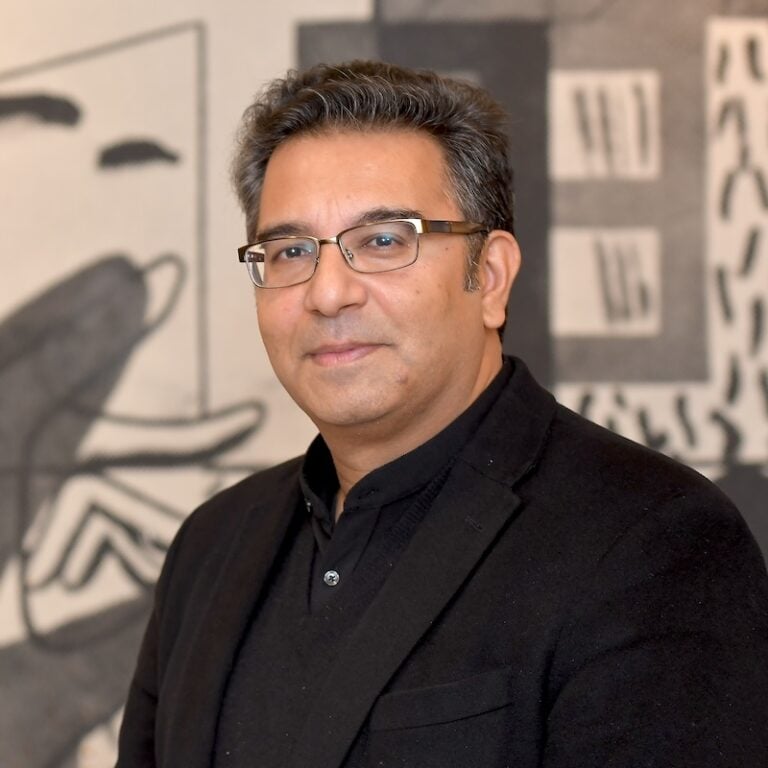
Saeed Khan
Saeed Khan is a cultural historian and commentator based at Wayne State University in Detroit, where he teaches in the departments of History and Global Studies. His academic expertise includes Islamic and Middle Eastern history, Islamic political thought, and transnational identities. Alongside his academic work, he is a frequent analyst for international media outlets. Saeed is the founder of the Center for the Study of Trans-Atlantic Diasporas, a policy institute focused on ethnic and immigrant communities in North America and Europe.
About the Academic
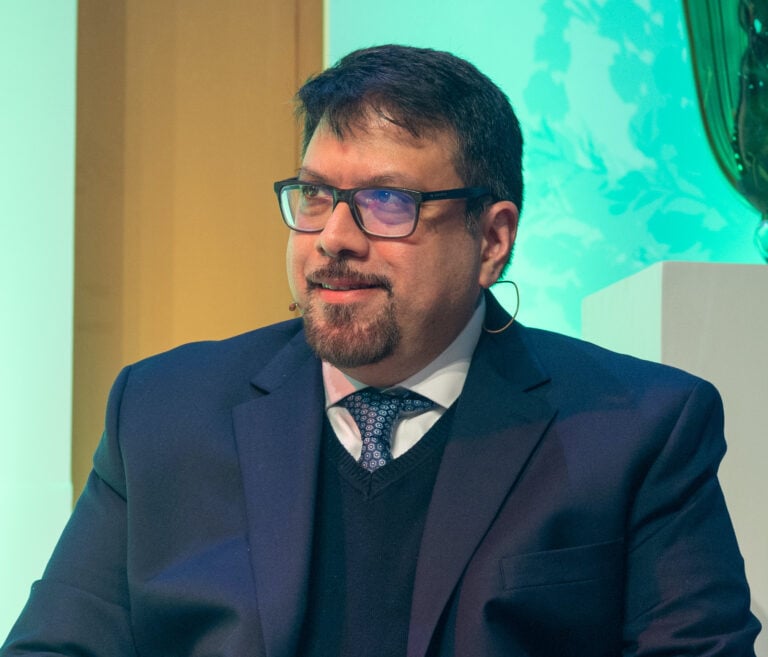
Hassan Abdein
Hassan A. Abdein, Ph.d is a senior advisor to Unitas Communications. He is also a consultant in mediation and conflict resolution and has extensive experience working with multilateral organisations in the fields of advocacy for refugees, minorities and religious freedom. Hassan held senior roles in the Organisation of Islamic Cooperation (OIC) and worked on OIC-UN efforts to tackle intolerance, discrimination, incitement to violence against people on the basis of religion or belief.
About the Speaker
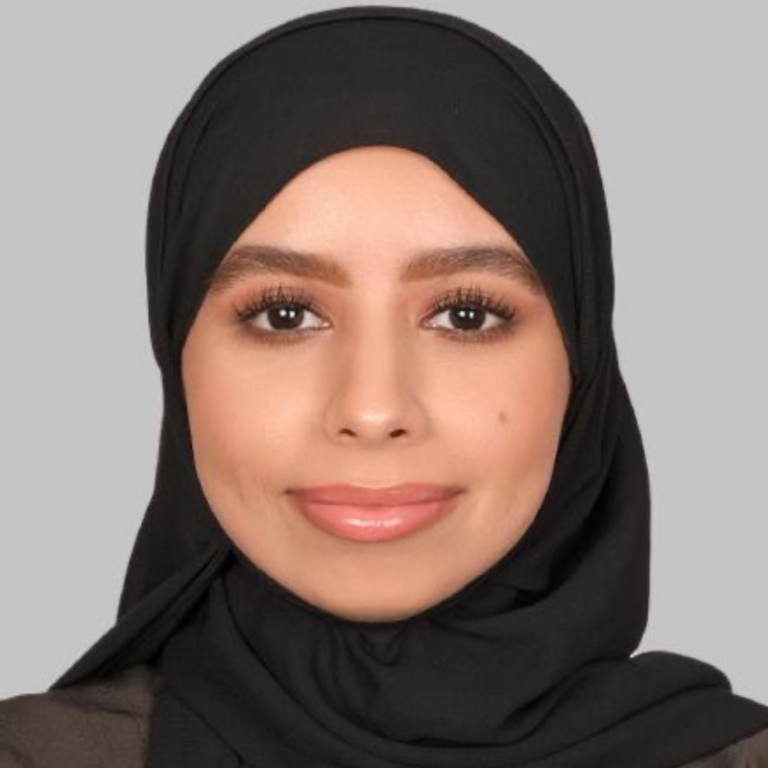
Meshael Al-Mannai
Meshael is a PhD researcher at Hamad bin Khalifa University. Her work examines identity, nation-making, and modernity in the contemporary Gulf. Drawing on backgrounds in communication, Middle East studies, and Islam and global affairs, my research explores how politics, culture, and global power shape collective identities and public narratives.
Alongside her academic work, Meshael works in Qatar’s Government Communications Office focusing on strategic communications and public engagement. Her interests include post colonial thought, media representation, nationalism, and the evolving relationship between tradition and modernity in The Middle East.
Join Our Mailing List
By submitting this form you agree to our Privacy Policy and to receive marketing emails, including e-newsletters and event updates from Bradford Literature Festival.